
User Manual
Article Performance & Quality Engine
Last Updated: July 15, 2026
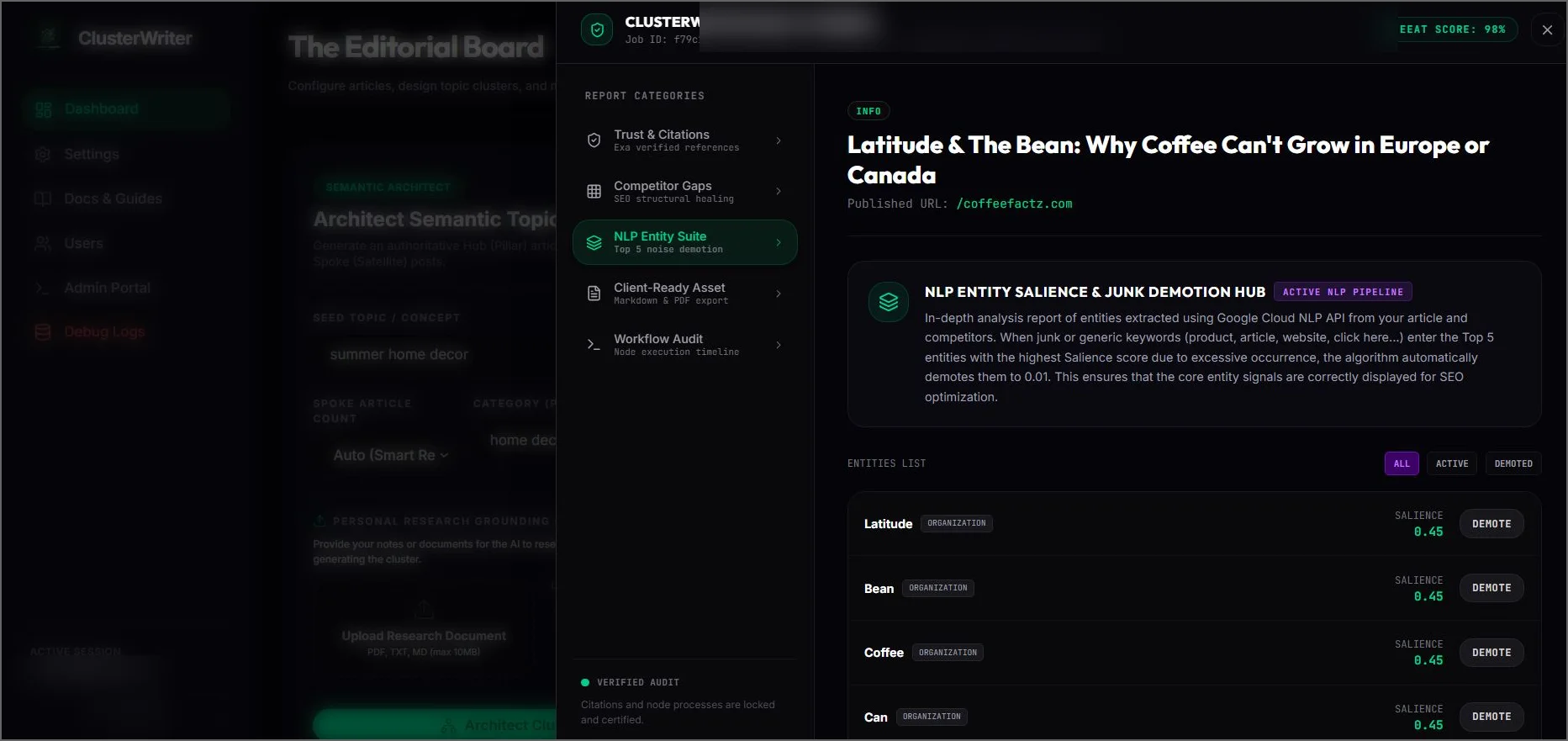
Figure 6.1: NLP Entity Suite with keyword salience indicators.
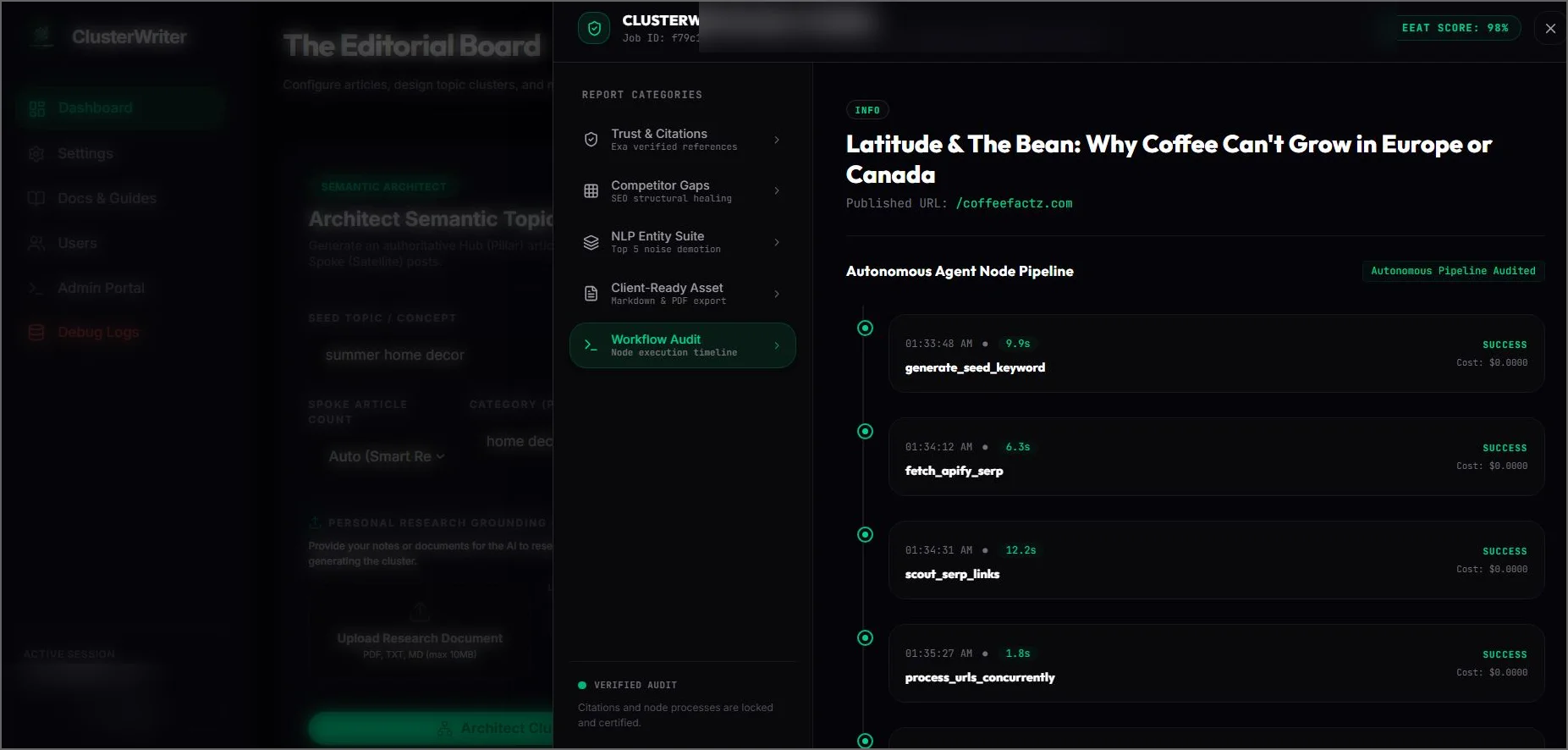
Figure 6.2: Node execution timeline audit panel.
Post-generation analysis is where good content becomes great. Click on any completed task row in the recent pipelines list to slide out the ClusterWriter Quality Enginedrawer and examine the article's semantic footprint.
Quality Assessment
At the top of the drawer, review the comprehensive EEAT Score gauge. This calculates an algorithmic score measuring citation density, entity coverage, and paragraph diversity to predict search engine trustworthiness.
Deep Dive Tabs (Left Sidebar)
Navigate through the 5 specialized hubs to audit the draft:
- Trust & Citations: Displays the Neural Grounding Profile and Verified Citation Sourcing. Verify that external references link out to high-quality academic publications and real forum queries.
- Competitor Gaps: Features the Semantic Healing Pipeline, pointing out specific keyword gaps that your top 10 search competitors missed but ClusterWriter covered.
- NLP Entity Suite:Evaluates Entity Salience & Junk Demotion. Check that important semantic entities have high salience scores while fluff terms are demoted.
- Client-Ready Asset: Provides formatted Markdown and PDF download options for offline review or client deliveries.
- Workflow Audit: Visualizes the Node execution timeline, breaking down exact generation speeds and raw OpenRouter/TinyPNG costs per pipeline task.